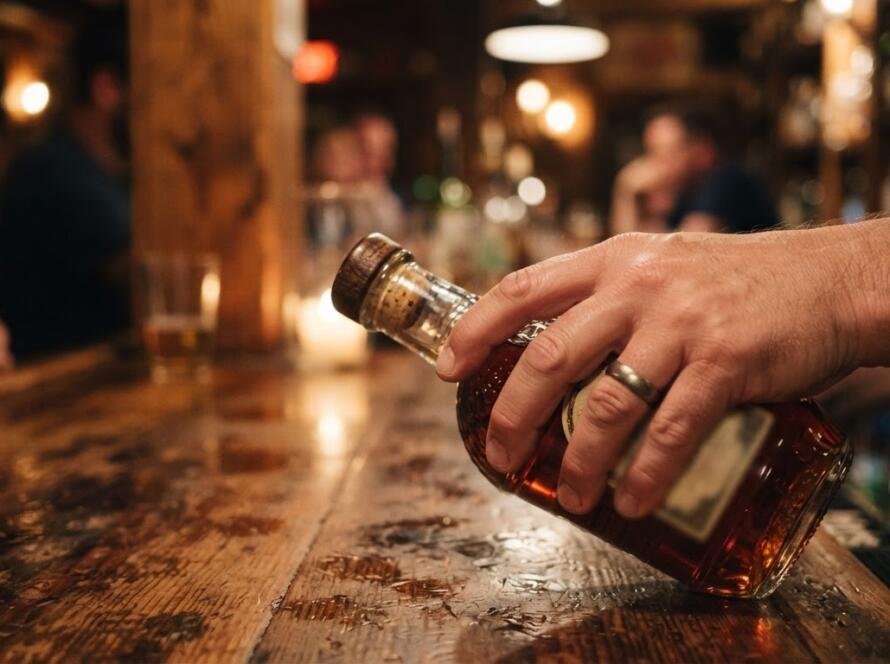
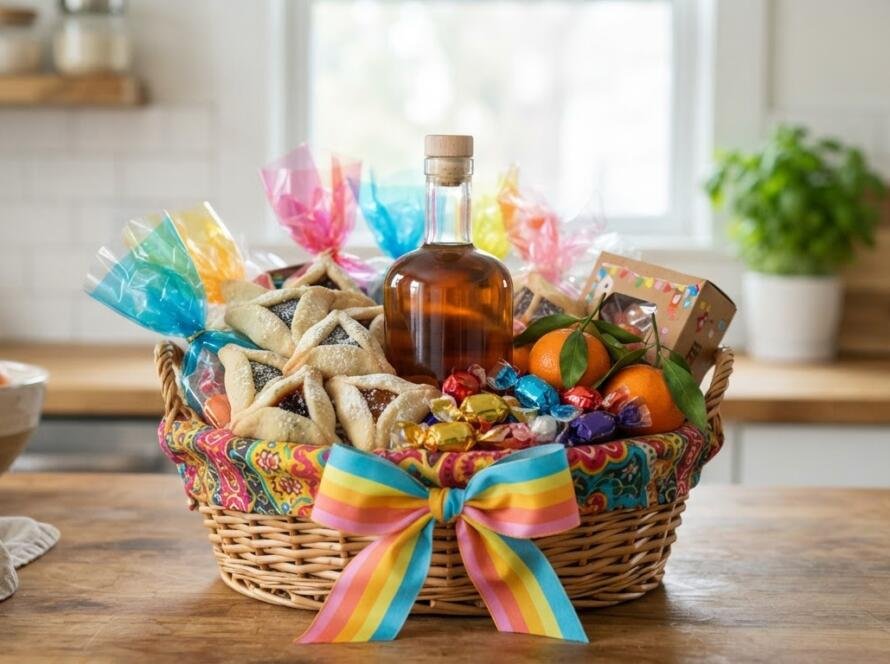
Kosher whiskey is whiskey that carries a reliable kosher certification on the bottle. Every Terebelo spirit is Star-K kosher certified, which means the Star-K symbol is the thing to look for. Certification covers more than the grain. It looks at what goes in, what it touches, and what it ages in. Whether a given bottle fits your own standards is a question for Star-K or your rabbi, and this guide will point you to the right questions.
I’m Ben’s voice on this one, the kind of explanation you’d get leaning on the tasting bar. I’ll tell you what I know about how a distillery works. I won’t pretend to be a rabbi.
Kosher whiskey: the short answer
Whiskey starts simple. Grain, water, yeast. Ferment it, distill it, age it in a barrel. On paper, that sounds like nothing a kashrut agency would lose sleep over.
In practice, a distillery is a working plant with a lot of moving parts. Flavorings, additives, shared equipment, and especially barrels that held something else before. A certification agency’s job is to look at all of it so you don’t have to.
That is why a symbol on the label matters. It tells you an agency has looked at the product beyond the ingredient list. For Terebelo, that agency is Star-K.
Why a plain grain spirit still raises questions
Star-K publishes a liquor listing, and it is worth reading. As of this writing, Star-K’s listing treats unflavored American whiskeys, including bourbon and rye, as acceptable without certification, and flavored ones as requiring certification. The same listing also warns that some varieties are not recommended because of wine cask aging or a concern called chametz she’avar alav haPesach.
Read that carefully, because it shows how much sits inside the word “whiskey.” A bottle can be made from grain and still raise a question because of how it was finished. Lists like this can also change, so check Star-K directly instead of relying on a blog post, mine included.
Two takeaways. First, the general rules for whiskey have exceptions. Second, a certification on the specific bottle in your hand answers more than a general rule about a category.
What certification looks at inside a distillery
The exact scope of any certification is set by the agency, and Star-K is the one to explain its own program. Here is what I’d expect any careful review of a distillery to cover, from the production side of the fence.
- Ingredients. The grain, the yeast, and anything added during production. Every input has a source, and the source matters.
- Flavorings and additives. Plain whiskey has no need for them, but flavored products often do, which is why the listing above treats flavored whiskey differently.
- Equipment. Stills, tanks, hoses, and filling lines. What else has run through them is a fair question.
- Barrels and casks. New charred oak is one thing. A cask that previously held wine, rum, or tequila is another conversation.
- Bottling and labeling. What goes in the bottle, and whether the label matches what was reviewed.
Notice that the barrel is on the list. Most of the flavor in whiskey comes from the wood, and the wood remembers what it held before. That is exactly where a good agency pays attention.
Cask finishes and kosher whiskey
This is the part kosher consumers ask me about most, and it makes sense. A finish means the whiskey spends extra time in a barrel that held something else. Our line includes several, and all of them fall under our Star-K certification.
Some examples from the shop: Blauvelt New York Bourbon, a rum cask finish, Jaguar New York Bourbon, a tequila barrel finish, and New York Bourbon finished in fresh wine casks. If you want the craft side of how a rum cask finish works, we wrote about it in what Jamaican rum casks add to bourbon.
Now the honest caveat. Because the Star-K listing flags certain wine cask categories for some brands, do not assume anything from a finish name alone. Look for the Star-K symbol on the bottle you are buying. If you have a specific question about a specific product, ask Star-K. They are the authority, not me.
How to read a bottle before you buy
- Find the symbol. Look for the Star-K mark on the label itself, not just on a shelf tag or a website blurb.
- Match the product. Certification applies to specific products. Check that the bottle in front of you is the one that carries the mark.
- Read the finish. If the label names a cask type, note it. If your household has a practice about certain cask types, that is a question for your rabbi.
- Check the current listing. Star-K updates its materials. A quick look at their site beats a guess.
- Ask when unsure. Star-K answers questions. So does your own rabbi. Both are better sources than a distiller.
What I can’t tell you
I run a still. I don’t issue rulings. I can tell you that every Terebelo spirit is Star-K certified, and I can describe how we make it. Whether a bottle works for a particular holiday, a particular custom, or a particular household is a halachic question. That goes to Star-K or your rabbi.
That includes Passover. We don’t make any Passover claim here, and you shouldn’t read one into this article. If you plan to serve a Terebelo spirit then, ask Star-K or your rabbi first.
Buying kosher whiskey for other people
Gifts and gatherings add one more layer. You are choosing for someone else’s standards, so the certification on the label does a lot of the work for you.
- Shopping for the holidays? Our Chanukah 2026 buyer’s guide covers gift choices.
- Pouring for a crowd after services? We covered choosing and serving whiskey for Kiddush.
- Want your own name or message on the bottle? Custom label whiskey makes personalized Terebelo bottles for gifts and events, and our holiday 2026 offer takes 10 percent off early custom label orders.
One note for gift givers. Pour responsibly and only for adults 21 and over. A good bottle is meant to be sipped slowly and shared with people you like.
Why we chose certification
Terebelo is a family business. Our guests include people who keep kosher, and they ask good questions. A certification gives them an answer that does not depend on taking my word for it. It puts a third party between the distillery and the customer, which is how it should work.
If you are curious about the grain side, our 100 percent corn bourbon article goes through what that mash means in the glass. Terebelo Bourbon is made from 100 percent corn, and that is a good place to start if you like to understand what you are drinking.
FAQ
What makes a whiskey kosher?
A whiskey is considered kosher by consumers when a trusted agency has certified it, and the symbol appears on the label. Certification looks at ingredients, equipment, and casks. For the standards themselves, ask Star-K or your rabbi.
Is every Terebelo spirit kosher certified?
Yes. Every Terebelo spirit is Star-K kosher certified. Look for the Star-K symbol on the bottle you are buying, and contact Star-K with any question about a specific product.
Does a cask finish change whether a whiskey is kosher?
Casks are one of the things agencies pay attention to, and Star-K’s published listing flags some wine cask categories for other brands. Do not guess from the finish name. Check the certification on the specific bottle, and take halachic questions to Star-K or your rabbi.
Is Terebelo whiskey kosher for Passover?
We do not make a Passover claim for any Terebelo product. If you want to use one for Passover, ask Star-K or your rabbi.
Find your bottle
Browse the full Terebelo line, including bourbon, cask finishes, and rum, at the Terebelo shop. Check the Star-K symbol, pick a bottle, and tell us what you think.
Terebelo spirits are for adults 21 and over. Please enjoy responsibly and never drink and drive.